Exploring Masiku: A Modern Display Font for Design Projects
When it comes to choosing a font for design projects, the right typeface can make a significant difference in the overall look and feel of a piece. One such font that has gained attention is Masiku. This modern and fancy display font is ideal for a variety of applications, including posters, logos, magazines, book covers, and banners. In this article, we will explore what Masiku is, why someone might be interested in it, and how it compares to other fonts in terms of suitability for different design needs.
What Is Masiku?
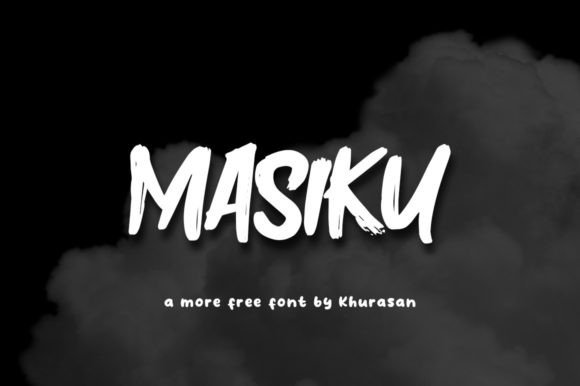
Masiku is a display font designed with a contemporary aesthetic that combines elegance with a strong visual presence. It is characterized by its clean lines, unique letterforms, and a sense of sophistication that makes it stand out. The font is particularly well-suited for projects where the text needs to be both readable and visually striking. Its versatility allows it to work well in a range of contexts, from commercial branding to editorial design.
Reasons to Consider Masiku
There are several reasons why a designer or a business owner might consider using Masiku. First, its modern appearance makes it an excellent choice for projects that aim to convey a sense of innovation or style. Whether it's a logo for a new startup or a headline for a magazine, Masiku can add a touch of class and professionalism. Additionally, because it is a free font, it offers a cost-effective solution for those looking to enhance their designs without investing in premium typefaces.
Another factor that makes Masiku appealing is its readability. While it is a display font, it maintains a level of clarity that ensures it remains legible even at smaller sizes. This makes it suitable for use in a variety of design formats, including digital and print media. Furthermore, the font’s distinct character helps it stand out in a crowded design landscape, making it a good option for those looking to create a memorable visual identity.
Benefits and Tradeoffs of Using Masiku
One of the main benefits of using Masiku is its aesthetic appeal. Its stylish design can elevate the look of any project, making it a popular choice among designers who want to create something visually engaging. Additionally, as a free font, it provides accessibility to a wide range of users, including independent designers, students, and small businesses that may not have a large budget for typography.
However, there are some tradeoffs to consider. While Masiku is highly readable, it may not be the best choice for long blocks of text. Display fonts are typically intended for short phrases or headlines rather than extended paragraphs. Therefore, it is important to use Masiku appropriately to avoid compromising the readability of the content. Additionally, while the font is free, users should ensure they are following the licensing terms to avoid any potential legal issues.
Situations Where Masiku Is a Strong Fit
Masiku is particularly well-suited for projects that require a bold and elegant typographic element. For example, it can be an excellent choice for creating eye-catching headlines in advertisements, promotional materials, or social media graphics. Its ability to convey a sense of sophistication makes it ideal for branding initiatives, especially for businesses in the fashion, lifestyle, or creative industries.
In addition, Masiku can be a great option for book covers, magazine layouts, and other editorial projects where the visual impact of the text is crucial. Its modern design aligns well with contemporary design trends, making it a versatile choice for a variety of creative endeavors. When used in conjunction with other complementary fonts, it can help create a balanced and cohesive visual hierarchy.
Situations Where Alternatives May Be Worth Considering
While Masiku has many strengths, there may be situations where alternative fonts could be more appropriate. For instance, if a project requires a more traditional or minimalist look, a serif or sans-serif font might be a better fit. These fonts often provide a more timeless and professional appearance, which can be preferable in certain contexts, such as academic publications or corporate reports.
Additionally, if a designer is working on a project that requires extensive text, a more legible font with a wider range of weights and styles may be necessary. In such cases, a font like Helvetica or Georgia could offer greater flexibility and readability over longer passages of text. It is also important to consider the target audience when selecting a font, as different demographics may respond differently to various typographic styles.
Practical Decision-Making Insights
When deciding whether to use Masiku, it is essential to evaluate the specific needs of the project. Start by considering the purpose of the design and the message it aims to convey. If the goal is to create a visually striking element that captures attention, Masiku can be an effective choice. However, if the focus is on clarity and functionality, a different font may be more suitable.
It is also advisable to test the font in different contexts to see how it performs. Experimenting with various sizes, colors, and backgrounds can help determine whether Masiku meets the design requirements. Additionally, reviewing the licensing terms is crucial to ensure that the font can be used in the intended manner without any restrictions.
Finally, consider the broader design ecosystem. If the project involves multiple fonts, it is important to ensure that Masiku complements the other typefaces used. A harmonious combination of fonts can enhance the overall visual appeal and maintain a consistent design language throughout the project.
In conclusion, Masiku is a compelling option for designers seeking a modern and stylish display font. Its aesthetic appeal, readability, and accessibility make it a valuable resource for a wide range of design applications. However, it is important to use it judiciously and consider alternative fonts when appropriate. By carefully evaluating the needs of the project and testing different options, designers can make informed decisions that align with their goals and objectives.