Honey Silk: A Quirky Display Font for Creative Design
In the world of design, typography plays a crucial role in conveying messages and setting the tone of visual content. One font that has been gaining popularity among designers is Honey Silk. This modern and fancy display font is perfect for a variety of applications, including posters, logos, magazines, book covers, banners, and more. With its unique style and versatility, Honey Silk offers a fresh approach to typography that can elevate any design project.
What is Honey Silk?
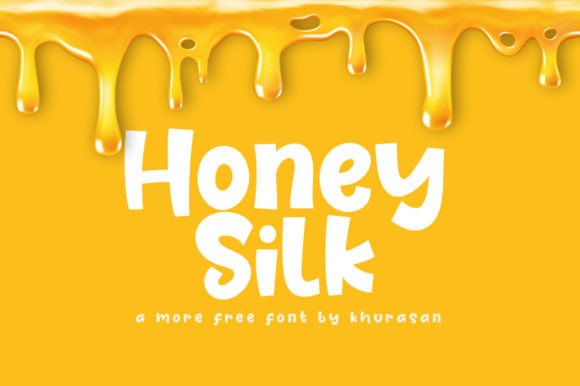
Honey Silk is a display font that combines elegance with a touch of playfulness. Its name suggests a soft, smooth texture, which is reflected in its design. The font features flowing curves and delicate details that make it stand out from more traditional typefaces. It's ideal for projects that require a bit of flair and personality, making it a favorite among graphic designers, illustrators, and creative professionals.
The font's quirky nature makes it particularly suitable for branding and marketing materials where a distinctive look is needed. Whether you're designing a logo for a boutique or creating a poster for an event, Honey Silk can add a unique visual element that captures attention.
The Purpose and Significance of Honey Silk
Typography is more than just choosing a font; it's about communication. Honey Silk serves as a powerful tool for designers to express creativity while maintaining readability. Its purpose goes beyond aesthetics—it helps convey the right message and evoke specific emotions in the audience.
In today's digital age, where visual content is king, having a font that stands out can make a significant difference. Honey Silk allows designers to create visually appealing content that resonates with their target audience. It's especially useful in industries such as fashion, beauty, and lifestyle, where a sophisticated yet approachable look is essential.
Practical Relevance of Honey Silk
When it comes to practical applications, Honey Silk is incredibly versatile. It can be used in various design projects, including:
- Posters: For events, promotions, or artistic displays, Honey Silk adds a touch of class and uniqueness.
- Logos: Ideal for brands looking to establish a memorable identity with a distinctive font.
- Magazines and Publications: Enhances the overall design and readability of content.
- Book Covers: Creates a striking visual that catches the eye on a shelf.
- Banners and Digital Ads: Adds a creative edge to online marketing efforts.
By incorporating Honey Silk into these projects, designers can ensure their work stands out in a crowded market. The font's ability to blend sophistication with a playful twist makes it a valuable asset in any designer's toolkit.
Honey Silk in Modern Life and Work
In today’s fast-paced world, where first impressions matter, the importance of good design cannot be overstated. Honey Silk fits seamlessly into modern life, offering a way to enhance both personal and professional projects. Whether you're working on a business proposal, a creative portfolio, or a social media campaign, this font can help you make a lasting impression.
For businesses, using Honey Silk in branding materials can differentiate them from competitors. It provides a unique visual identity that reflects the brand's personality and values. In education, it can be used to create engaging presentations or study materials that capture students' attention and make learning more enjoyable.
On a personal level, Honey Silk can be used for DIY projects, such as custom invitations, greeting cards, or home decor. Its elegant yet quirky style allows individuals to express their creativity and add a personal touch to their work.
Understanding Common Misconceptions
One common misconception about display fonts like Honey Silk is that they are only suitable for certain types of projects. However, this is not the case. While display fonts are typically used for headlines and titles, they can also be effectively used in other parts of a design when done thoughtfully.
Another misunderstanding is that display fonts are less readable than standard fonts. While it's true that some display fonts may be more decorative, Honey Silk is designed with readability in mind. Its clean lines and balanced structure ensure that it remains legible even at smaller sizes.
Additionally, some people may assume that using a quirky font like Honey Silk limits the professionalism of a design. In reality, when used appropriately, it can enhance the overall aesthetic and make the design more memorable. It's all about finding the right balance between creativity and clarity.
How to Use Honey Silk Effectively
To get the most out of Honey Silk, it's important to understand how to use it effectively. Here are some tips to consider:
- Use it for headlines and titles: Honey Silk shines when used for main headings, as it draws attention and sets the tone for the rest of the design.
- Pair it with complementary fonts: Combining Honey Silk with a more traditional font can create a balanced and cohesive look.
- Experiment with spacing and size: Adjusting the spacing and size of the font can help achieve the desired visual effect without compromising readability.
- Test it in different contexts: Before finalizing a design, test Honey Silk in various formats and sizes to ensure it works well across different platforms.
By following these guidelines, designers can make the most of Honey Silk's unique characteristics and create visually stunning designs that resonate with their audience.
Conclusion
Honey Silk is more than just a font—it's a creative tool that empowers designers to express themselves and stand out in a competitive market. Its combination of elegance, playfulness, and versatility makes it a valuable addition to any design project. Whether you're working on a logo, a poster, or a book cover, Honey Silk offers a fresh and unique approach to typography that can elevate your work to new heights.
As the demand for visually engaging content continues to grow, fonts like Honey Silk will play an increasingly important role in shaping the future of design. By understanding its purpose, significance, and practical applications, designers can harness its potential to create impactful and memorable visuals.