Holdigen: A Bold and Versatile Display Font for Modern Design
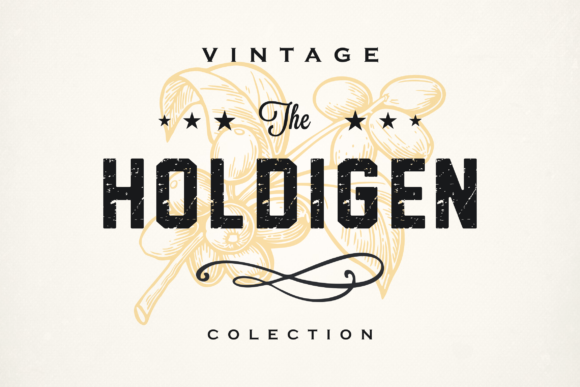
Holdigen is a distinctive display font characterized by its rough texture and thick lettering, making it a standout choice for designers seeking a strong visual presence. Its bold aesthetic can add energy and personality to a wide range of projects, from logos to t-shirt designs and beyond. Understanding the unique qualities of Holdigen helps determine when it might be the ideal choice or when an alternative font could better suit a specific need.
What Makes Holdigen Unique?
Holdigen distinguishes itself through its raw, textured appearance and heavy weight. The font’s design evokes a sense of ruggedness and strength, which can be particularly effective in contexts where a bold statement is desired. Unlike smoother, more refined fonts, Holdigen embraces imperfections that give it a handcrafted or industrial feel. This makes it especially suitable for branding in industries like sports, outdoor gear, or any project aiming to convey resilience or authenticity.
The thick strokes of Holdigen ensure visibility even at smaller sizes, while the rough texture adds visual interest without overwhelming the composition. This combination allows the font to stand out in both digital and print formats, offering flexibility across different media.
Comparing Holdigen with Similar Fonts
When evaluating display fonts, designers often consider options like Bebas Neue, Impact, or Rockwell. Each of these fonts has its own strengths, and understanding their differences can help determine whether Holdigen is the right fit.
Bebas Neue, for example, is known for its clean, geometric style and high readability. It works well in modern, minimalist designs but lacks the textured quality that sets Holdigen apart. Impact, on the other hand, is a classic bold font with a more uniform look, making it ideal for headlines but less versatile in terms of style variation. Rockwell offers a slightly more traditional feel with its serif elements, which may not align with the raw aesthetic of Holdigen.
In comparison, Holdigen’s textured design provides a more dynamic and unconventional option. While it may not be as universally adaptable as some alternatives, its distinctiveness can be an asset in the right context.
Best Fit Situations for Holdigen
Holdigen excels in scenarios where a strong, eye-catching presence is needed. For instance, in logo design, it can convey a sense of power or toughness, making it a good fit for brands in the sports, fitness, or adventure industries. Its thick letters also make it suitable for signage, where clarity and impact are essential.
T-shirt printing is another area where Holdigen shines. The font’s boldness ensures that text remains legible and visually striking, even when printed on fabric. It can work well for slogans, band names, or personalized messages that require a memorable visual identity.
Additionally, Holdigen can be effective in editorial layouts or promotional materials where a dramatic effect is desired. Its texture adds depth and character, helping to draw attention and create a lasting impression.
Limitations and Tradeoffs
While Holdigen has many advantages, it is not a one-size-fits-all solution. Its rough texture and thick strokes may not be appropriate for all design applications. In cases where a more refined or subtle look is required, Holdigen could appear too aggressive or unbalanced.
Another consideration is its versatility. Fonts like Helvetica or Arial offer a broader range of use cases due to their neutrality and adaptability. Holdigen, by contrast, may be better suited for specific projects rather than general-purpose typography.
Designers should also be mindful of legibility. While the font is readable at larger sizes, it may not be the best choice for long blocks of text. Its stylistic elements can sometimes interfere with readability, especially in smaller formats or when used in conjunction with other complex design elements.
When to Choose Holdigen Over Other Options
Holdigen is most beneficial when the goal is to create a strong visual identity or emphasize a particular theme. If a brand aims to communicate toughness, creativity, or a sense of rebellion, Holdigen can serve as a powerful tool. It is also a good option when a designer wants to avoid the overused look of more common display fonts.
For example, a skateboarding brand looking to express an edgy, underground vibe might find Holdigen to be a perfect match. Similarly, a music festival promoting a gritty, alternative lineup could use the font to reinforce its thematic identity.
However, if the objective is to maintain a professional or elegant tone, other fonts may be more appropriate. In such cases, a cleaner, more structured typeface would likely provide a better balance between aesthetics and functionality.
Practical Examples and Use Cases
Consider a scenario where a designer is creating a logo for a new line of outdoor gear. The brand wants to convey durability and a connection to nature. Holdigen could be an excellent choice here, as its rugged appearance aligns with the intended message. The font’s thickness and texture would complement the brand’s imagery and help establish a cohesive visual language.
In contrast, a financial services company looking to build trust and professionalism might opt for a more traditional font like Georgia or Times New Roman. These fonts provide a sense of reliability and formality that Holdigen, with its bold and unconventional style, may not support.
Another example involves a t-shirt design for a local band. The band’s music has a raw, energetic sound, and the band members want their name to reflect that intensity. Using Holdigen on the shirt would create a striking visual that matches the band’s identity, making it instantly recognizable to fans.
Conclusion: Making an Informed Decision
Holdigen is a compelling option for designers seeking a bold, textured display font. Its unique characteristics make it well-suited for certain types of projects, particularly those that benefit from a strong, unconventional aesthetic. However, it is important to consider the context and goals of each design to determine whether Holdigen is the right choice.
By weighing the strengths and limitations of Holdigen against other available fonts, designers can make informed decisions that align with their creative vision and practical needs. Whether it's the right fit or not, understanding the role of typography in visual communication is key to achieving successful design outcomes.