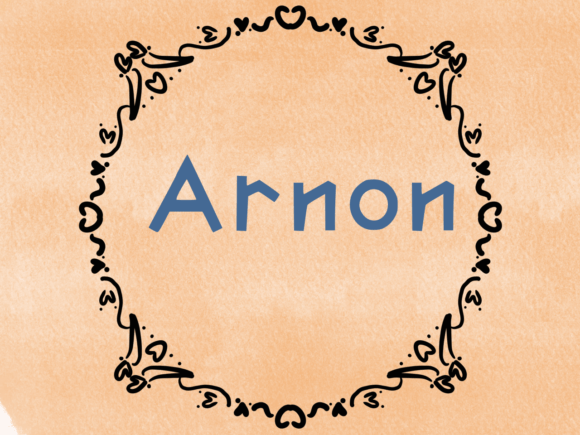
Arnon: A Sleek and Creative Display Font for Modern Design Workflows
Arnon is a display font that blends sleek design with playful character, making it ideal for creative projects that require both professionalism and personality. Its unique style allows it to stand out while still maintaining readability, which makes it a valuable addition to any designer’s toolkit. Whether you're working on branding, web design, or editorial layouts, Arnon can help elevate your visual communication.
Understanding Arnon in the Design Process
Arnon is more than just a font—it's a tool that can influence the tone and direction of your design work. It fits naturally into the broader process of visual storytelling, where typography plays a crucial role in conveying message and emotion. When choosing a font, it's important to consider how it aligns with the overall aesthetic and purpose of your project. Arnon offers a balance between creativity and clarity, making it suitable for a wide range of applications.
Before starting a project, designers often explore different typefaces to find one that complements their concept. Arnon can be part of this early-stage research, helping to shape the visual identity of a brand or campaign. Its friendly look and unexpected character details can inspire new ideas and add a sense of approachability to your designs.
Using Arnon in Different Stages of a Project
Arnon can be integrated at various points in a design workflow. During the planning phase, it can serve as a reference point for establishing a visual language. In the execution stage, it can be used to enhance headlines, logos, or other key elements that need to capture attention. After the initial design is complete, Arnon can be revisited for refinement, ensuring consistency across all materials.
For example, when designing a website, Arnon might be used for the main heading to create a strong first impression. It could also be applied to a call-to-action button, adding a touch of creativity without overwhelming the user. In print design, such as brochures or posters, Arnon can provide a fresh and engaging look that sets the piece apart from others.
Its versatility means that it can adapt to different formats and mediums, making it a reliable choice for both digital and physical outputs. This adaptability is especially useful when working on multi-platform projects that require consistent branding across various touchpoints.
Arnon and Workflow Integration
Integrating Arnon into your workflow involves more than just selecting it from a font library. It requires thoughtful consideration of how it interacts with other design elements and tools. For instance, when using design software like Adobe Photoshop, Illustrator, or Figma, you’ll want to ensure that Arnon is properly installed and accessible within the application. This step helps streamline the design process and avoid delays caused by missing fonts.
When collaborating with others, it's important to communicate clearly about font choices. If you're sharing a design with a team member or client, including the font in the file or providing a link to download it can prevent formatting issues. This practice supports efficient collaboration and ensures that everyone is working with the same visual assets.
Arnon also works well alongside other design principles and techniques. For example, pairing it with a clean sans-serif font can create a balanced contrast that enhances readability. Similarly, using it in conjunction with bold colors or minimalist layouts can help maintain visual interest without overcrowding the design.
Practical Tips for Using Arnon
To get the most out of Arnon, start by experimenting with different sizes and weights. While it’s designed as a display font, it can be adjusted to fit various contexts. For instance, using a smaller size for subheadings or captions may not be ideal, but increasing the size for headlines can make a strong visual impact.
Another tip is to test Arnon in real-world scenarios. If you’re designing a logo, try it out on different backgrounds and in various formats to see how it performs. This testing phase helps identify potential issues before finalizing the design.
Consistency is key when using any font, including Arnon. Establishing a clear hierarchy and applying it consistently across all design elements ensures a cohesive look. This approach not only improves the visual appeal of your work but also reinforces the message you're trying to convey.
Long-Term Use and Maintenance
As you continue to use Arnon in your projects, it’s important to keep track of its performance over time. Monitoring how it looks in different environments—such as on mobile devices, printed materials, or social media posts—can help you identify any adjustments needed for optimal results.
Font licensing is another factor to consider. Make sure that you have the appropriate license for the intended use, whether it's personal, commercial, or for a specific platform. This step protects both you and your clients from potential legal issues down the line.
Finally, staying informed about updates or variations of Arnon can help you stay ahead of design trends. New versions or styles may offer additional features or improvements that can enhance your workflow and creative output.
Conclusion: Embracing Arnon in Your Creative Process
Arnon is more than just a font—it's a versatile tool that can enhance your design process and contribute to the success of your creative projects. By understanding how it fits into your workflow and how it interacts with other design elements, you can unlock its full potential. Whether you're a professional designer or a hobbyist, incorporating Arnon into your work can bring a fresh and engaging perspective to your designs.