White Angle: A Modern Gothic Display Font for Creative Excellence
White Angle is a modern gothic display font that stands out for its bold, distinctive aesthetic and versatile application across a wide range of design projects. Its unique character makes it a compelling choice for professionals seeking to elevate their visual identity through typography. Whether used in logos, headlines, or branding materials, White Angle offers a powerful visual statement that can resonate with diverse audiences.
Understanding White Angle: A Unique Typographic Expression
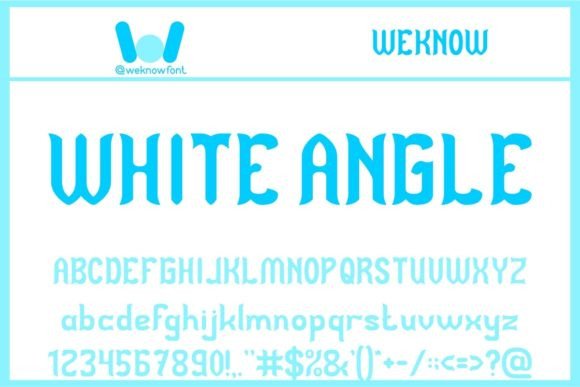
White Angle is designed with a strong, angular structure that reflects the essence of gothic typography while maintaining a contemporary edge. The font's sharp lines and geometric precision create a sense of strength and sophistication, making it ideal for projects that require a striking visual impact. Unlike more traditional gothic fonts, White Angle incorporates subtle variations in stroke weight and spacing, which add depth and character without compromising readability.
The font’s design philosophy emphasizes clarity and functionality, ensuring that it remains legible even at smaller sizes. This balance between aesthetics and usability makes White Angle suitable for both digital and print media. Its clean, structured form allows it to integrate seamlessly into various design contexts, from corporate branding to creative storytelling.
Key Characteristics and Design Features
One of the most notable features of White Angle is its consistent stroke width and uniformity, which contribute to its modern, minimalist appeal. The font maintains a high level of detail in its letterforms, allowing for intricate designs without sacrificing legibility. This attention to detail ensures that White Angle can be used effectively in both large-scale applications, such as billboards and posters, and more intimate formats like book covers and magazine layouts.
Another distinguishing trait of White Angle is its adaptability. The font includes a comprehensive set of glyphs, including uppercase and lowercase letters, numerals, punctuation, and special characters. This versatility enables designers to use White Angle across multiple platforms and formats without encountering limitations in character availability. Additionally, the font supports multiple languages, making it a practical choice for international projects.
Practical Applications and Real-World Performance
White Angle excels in scenarios where a strong, memorable visual identity is essential. For example, in the apparel industry, the font can be used on t-shirts, hoodies, and other wearable items to create a bold, eye-catching brand presence. Its sharp, angular style complements modern fashion aesthetics, making it a popular choice among designers and brands looking to stand out in a competitive market.
In the realm of digital media, White Angle performs well on websites, social media profiles, and video thumbnails. Its clean, structured form ensures that it remains readable on screens of varying sizes and resolutions. When used as a headline or title, White Angle adds a sense of authority and professionalism, making it an effective tool for content creators and marketers aiming to capture attention and convey credibility.
Strengths and Usability Considerations
One of the primary strengths of White Angle is its ability to convey a sense of power and confidence through its visual design. This makes it particularly effective for brands targeting industries such as technology, entertainment, and luxury goods. The font’s boldness can also help differentiate a brand from competitors, reinforcing its unique identity in the marketplace.
From a usability standpoint, White Angle is relatively straightforward to implement. It is available in multiple file formats, including TrueType and OpenType, ensuring compatibility with most design software. Its licensing terms are typically clear and flexible, allowing for both personal and commercial use without unnecessary restrictions. This accessibility makes it a practical option for designers of all experience levels.
Who Benefits Most from White Angle?
White Angle is particularly beneficial for professionals in the creative and marketing industries who require a font that balances visual impact with practicality. Entrepreneurs launching new brands, for instance, can use White Angle to establish a strong, cohesive identity that resonates with their target audience. Similarly, graphic designers working on logos, packaging, or advertising campaigns may find White Angle to be a valuable addition to their typographic toolkit.
Freelancers and small business owners who are looking to enhance their visual output without investing in custom typography will also find White Angle to be a cost-effective solution. Its broad applicability means that it can be used across multiple projects, reducing the need for additional font purchases and streamlining the design process.
Limitations and Potential Challenges
While White Angle is highly versatile, it may not be the best choice for every project. Its bold, angular style can be overwhelming in certain contexts, particularly when used in large blocks of text. In such cases, it may be more appropriate to pair White Angle with a more neutral, sans-serif font to achieve a balanced composition.
Additionally, the font’s strong visual presence may not align with all brand identities. For example, a company focused on minimalism or organic aesthetics may find that White Angle feels too aggressive or industrial. In these situations, alternative fonts with softer, more fluid forms may be more suitable.
Recommendations and Final Thoughts
For designers and professionals seeking a bold, modern gothic font that combines strength with versatility, White Angle is a compelling option. Its clean, structured design makes it suitable for a wide range of applications, from branding and advertising to editorial and digital media. By understanding its strengths and limitations, users can make informed decisions about how to best incorporate White Angle into their creative workflows.
Ultimately, White Angle is more than just a font—it is a design tool that can help shape the visual language of a brand or project. Whether used as a headline, logo, or part of a larger typographic system, White Angle offers a powerful way to communicate ideas with clarity, confidence, and style. For those looking to elevate their design work with a distinctive, professional touch, White Angle is worth considering as a key element in their typographic arsenal.