Madzie Gadha: A Modern Display Font for Creative Projects
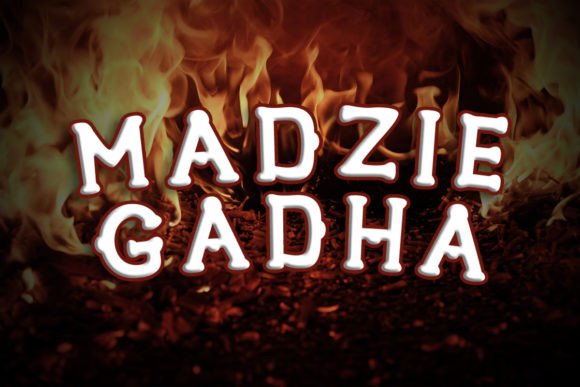
Madzie Gadha is a contemporary display font that offers a fresh and stylish approach to typography. Designed with modern aesthetics in mind, it combines clarity with visual appeal, making it a versatile choice for a wide range of design projects. Whether used in branding, web design, or print materials, Madzie Gadha brings a sense of sophistication and confidence to any layout.
What Makes Madzie Gadha Distinct?
Madzie Gadha stands out due to its clean lines and balanced structure. Unlike many other display fonts that prioritize uniqueness over readability, Madzie Gadha maintains a strong legibility even at smaller sizes. This makes it suitable for both large headlines and more detailed text elements. Its subtle variations in stroke weight and spacing give it a dynamic feel without sacrificing clarity.
The font’s design incorporates modern typographic trends, such as open counters and consistent x-heights, which contribute to its overall harmony. These features make it particularly effective in digital environments where screen readability is essential. Additionally, the font’s versatility allows it to work well in both dark and light backgrounds, offering flexibility across different design contexts.
Comparing Madzie Gadha with Similar Fonts
When considering display fonts, designers often look at options like Montserrat, Raleway, or Poppins. Each of these fonts has its own strengths, but Madzie Gadha distinguishes itself through its unique character set and stylistic choices. While Montserrat emphasizes geometric precision, Madzie Gadha offers a more organic flow, making it ideal for projects that require a blend of elegance and approachability.
Raleway, known for its minimalism and sharp angles, may be better suited for high-contrast designs. In contrast, Madzie Gadha provides a more balanced and cohesive look, especially when used in longer text blocks. Poppins, another popular choice, shares some similarities with Madzie Gadha in terms of readability, but it leans more toward a structured and formal appearance, whereas Madzie Gadha feels more fluid and adaptable.
These comparisons highlight how Madzie Gadha can fit into different design philosophies. Its ability to balance style with functionality makes it a compelling option for those looking for a display font that doesn’t compromise on usability.
Strengths and Best-Fit Situations
One of Madzie Gadha’s key strengths is its adaptability. It works well in a variety of design scenarios, from website headers to logo concepts. Its strong visual presence ensures that it commands attention without overwhelming the surrounding content. This makes it an excellent choice for projects that require a bold yet refined aesthetic.
Madzie Gadha is particularly effective in branding initiatives where a modern and confident tone is desired. Its clean structure supports both minimalist and more intricate design approaches, allowing for creative flexibility. For instance, it can be used in a sleek corporate identity system or paired with more ornate elements in a boutique-style project.
Additionally, the font’s compatibility with different languages and character sets expands its utility. This feature is especially valuable for international brands or multilingual websites that need a consistent visual language across multiple regions.
Tradeoffs and Limitations
While Madzie Gadha excels in many areas, it may not be the best choice for every project. One potential limitation is its relatively narrow range of weights and styles. Some designers may find that the font lacks the depth needed for complex typographic hierarchies. In such cases, pairing Madzie Gadha with a complementary serif or sans-serif font could help achieve a more dynamic layout.
Another consideration is its suitability for long-form reading. While the font remains readable at medium sizes, it may not be the optimal choice for extended paragraphs. For body text, a more traditional typeface with higher legibility might be preferable. However, when used as a headline or accent font, Madzie Gadha can enhance the visual impact of a design without compromising readability.
Designers should also consider the context in which the font will be used. In highly technical or data-driven environments, a more neutral typeface might be more appropriate. Madzie Gadha shines in creative and expressive applications rather than in settings that prioritize neutrality and uniformity.
When to Choose Madzie Gadha
Madzie Gadha is an ideal choice for projects that benefit from a modern, confident, and visually appealing font. It is particularly well-suited for digital platforms such as websites, mobile apps, and social media graphics. Its clean and professional look aligns well with contemporary design trends, making it a strong candidate for startups, tech companies, and creative agencies.
For branding purposes, Madzie Gadha can serve as a powerful tool for establishing a distinct identity. Its ability to convey professionalism while maintaining a friendly tone makes it a good fit for businesses that want to appear both innovative and approachable. It can be used in logos, business cards, and marketing materials to create a cohesive visual theme.
In editorial design, Madzie Gadha can add a touch of elegance to magazine layouts, posters, or event invitations. Its versatility allows it to complement both modern and traditional design elements, depending on the intended message and audience.
When to Consider Alternatives
If a project requires a more traditional or highly readable font, alternatives such as Lato, Open Sans, or Georgia may be more appropriate. These fonts are widely used in academic, legal, or journalistic contexts where clarity and consistency are paramount. They also offer a broader range of weights and styles, which can be beneficial for complex typographic systems.
For projects that demand a more distinctive or artistic look, other display fonts like Bebas Neue, Great Vibes, or Playfair Display might be worth exploring. These fonts often have more pronounced characteristics that can set them apart in specific design contexts. However, they may also require careful handling to avoid overwhelming the overall composition.
Ultimately, the decision to use Madzie Gadha or an alternative depends on the specific needs of the project. Understanding the strengths and limitations of each font helps ensure that the chosen typeface enhances the design rather than detracts from it.
Conclusion: Making an Informed Decision
Madzie Gadha is a well-crafted display font that offers a balance of style and functionality. Its clean design, readability, and adaptability make it a valuable addition to any designer’s toolkit. However, like any typeface, it is most effective when used in the right context and paired appropriately with other design elements.
By considering factors such as readability, visual harmony, and project requirements, designers can determine whether Madzie Gadha is the right choice for their work. When used thoughtfully, it can elevate the aesthetic and impact of a design, contributing to a more engaging and professional outcome.