Niagara: A Stylish 3D Typeface for Modern Design
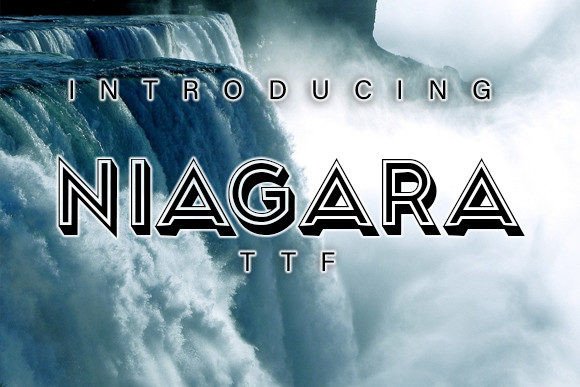
Niagara is a 3D typeface that stands out for its sharp lines and elegant aesthetic. Designed with modern visual communication in mind, it offers a bold yet refined look that can elevate any design project. Whether used in digital or print formats, Niagara brings a sense of depth and sophistication that sets it apart from more conventional fonts.
For designers, marketers, and content creators, the choice of typography plays a critical role in conveying message and emotion. Niagara provides a unique solution for those seeking to add a striking visual element to their work. Its 3D structure allows for dynamic presentation, making it ideal for headlines, banners, and other high-impact applications.
Key Characteristics of Niagara
The defining feature of Niagara is its three-dimensional structure. Unlike flat typefaces, Niagara incorporates subtle depth and dimension, giving text a more immersive quality. This effect is particularly effective when used in large-scale designs such as posters, website headers, or social media graphics.
The font’s sharp lines contribute to its clean and professional appearance. Each character is carefully crafted to maintain consistency and clarity, ensuring readability even at smaller sizes. The balance between geometric precision and artistic flair makes Niagara versatile enough for a wide range of design styles.
Another notable aspect of Niagara is its adaptability. It works well in both digital and print environments, maintaining its visual integrity across different mediums. This flexibility makes it a valuable asset for designers who need a reliable typeface for multiple projects.
Practical Use Cases for Niagara
Niagara excels in scenarios where visual impact is essential. For instance, it is an excellent choice for headline text on websites, banners, or promotional materials. Its 3D effect draws attention and helps key messages stand out, making it a strong option for marketing campaigns or branding initiatives.
Designers working on logos or brand identities may find Niagara useful for creating a memorable and distinctive visual identity. When paired with complementary elements, such as gradients or shadows, the font can enhance the overall aesthetic of a design while maintaining a polished appearance.
In addition to its visual appeal, Niagara is practical for use in motion graphics or animated content. Its structured form lends itself well to digital animations, allowing for smooth transitions and dynamic effects that engage viewers.
Strengths and Usability
One of Niagara’s main strengths is its ability to convey a sense of modernity and professionalism. Its design aligns with current trends in typography, making it suitable for contemporary projects that require a fresh and innovative look. This makes it especially appealing to professionals in fields such as advertising, web design, and graphic arts.
Usability is another area where Niagara performs well. The font maintains legibility even when scaled down, which is crucial for designs that include smaller text elements. Its consistent stroke widths and balanced proportions ensure that it remains readable without sacrificing its visual appeal.
From a technical standpoint, Niagara is likely optimized for cross-platform use. It should function reliably in most design software, including Adobe Creative Suite, Figma, and other industry-standard tools. This compatibility ensures that users can integrate the font into their existing workflows without significant hurdles.
Who Benefits Most from Niagara?
Niagara is particularly suited for professionals who prioritize visual impact in their work. Entrepreneurs and small business owners looking to create compelling marketing materials can benefit from its striking appearance. Similarly, marketers and advertisers may find it useful for crafting eye-catching headlines and promotional content.
Content creators, including bloggers and YouTubers, can use Niagara to enhance the visual appeal of their branding or video thumbnails. Its 3D effect adds a layer of sophistication that can help distinguish their content in a competitive landscape.
Freelancers and creative agencies may also find value in Niagara for client projects that require a modern and stylish typographic solution. Its versatility allows it to be adapted to various design themes, making it a reliable choice for diverse creative needs.
Limitations and Considerations
While Niagara offers many advantages, it is not a one-size-fits-all solution. Its 3D structure may not be appropriate for all design contexts, particularly those requiring minimalism or simplicity. In such cases, a more traditional typeface might be more effective.
Additionally, the font’s complexity could affect performance in certain digital environments. Large files or complex animations using Niagara may require optimization to ensure smooth rendering. Users should consider these factors when planning their design projects.
It is also important to note that Niagara’s style may not resonate with all audiences. While its elegance appeals to many, some may find it too stylized or unconventional for their specific needs. As with any design tool, the effectiveness of Niagara depends on how well it aligns with the project’s goals and target audience.
Final Thoughts on Niagara
Niagara is a compelling choice for designers seeking a 3D typeface that combines style with functionality. Its sharp lines and elegant structure make it ideal for high-impact applications, offering a visually engaging alternative to standard fonts. When used thoughtfully, it can enhance the overall aesthetic of a design while maintaining clarity and professionalism.
For professionals and creatives looking to add a modern touch to their work, Niagara presents a valuable option. However, its suitability will depend on the specific requirements of each project. By understanding its strengths and limitations, users can make informed decisions about whether Niagara fits their needs and enhances their creative output.
Ultimately, Niagara is more than just a font—it’s a design tool that can bring depth and personality to visual communication. Whether used in digital or print formats, it has the potential to make a lasting impression when applied with care and intention.