Wording: A Whimsical Font That Captures the Spirit of Modern Creativity
In a world where visual identity plays a crucial role in communication, fonts have become more than just a means of conveying text—they are a reflection of personality, brand, and purpose. One such font that has been gaining attention for its unique charm and versatility is Wording. With its whimsical design and playful aesthetic, Wording is not just a typeface; it's a statement. This article explores what makes Wording stand out, why it's resonating with creators and professionals alike, and how it fits into the evolving landscape of design and communication.
What Is Wording?
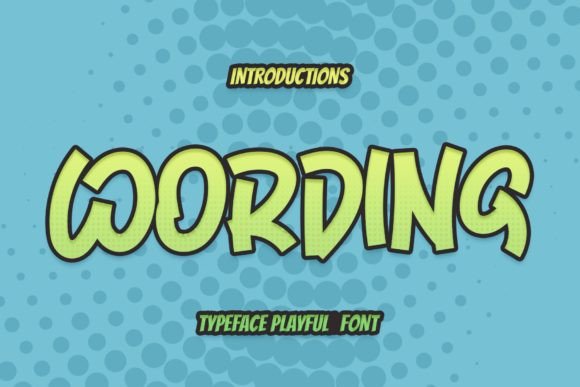
Wording is a display font that blends a sense of fun with a touch of sophistication. Its quirky, hand-drawn style gives it an organic feel, making it ideal for projects that seek to convey creativity, energy, and a bit of personality. Unlike traditional serif or sans-serif fonts, Wording breaks the mold by incorporating irregular shapes, slight imperfections, and a sense of movement that adds character to any text.
Designed for a wide range of applications, from branding and advertising to web design and social media, Wording is particularly well-suited for contexts where a more expressive and engaging visual presence is needed. Whether used in headlines, logos, or promotional materials, it brings a sense of playfulness that can make a message more memorable and relatable.
Why Wording Matters in Today’s Creative Landscape
The rise of digital platforms and the increasing importance of visual storytelling have made typography more influential than ever. As businesses and individuals look for ways to stand out in a crowded market, the choice of font can be a powerful differentiator. Wording taps into this need by offering a distinctive alternative to the standard, often overused typefaces.
In the realm of branding, for instance, a font like Wording can help a company communicate its values more effectively. A tech startup aiming to appear innovative might use Wording to convey a sense of creativity and forward-thinking, while a boutique café could use it to evoke a cozy, artisanal vibe. The font’s adaptability allows it to fit into various industries, making it a versatile tool for designers and marketers.
Moreover, as consumer expectations continue to evolve, there is a growing demand for content that feels authentic and human. Wording’s slightly imperfect, handcrafted look aligns with this trend, offering a refreshing contrast to the sterile, machine-generated aesthetics that dominate many digital spaces. This makes it particularly appealing to brands that want to connect with their audience on a more personal level.
Wording in the Broader Context of Design Trends
The popularity of Wording reflects broader shifts in the design industry. In recent years, there has been a noticeable move toward more expressive and personalized typography. Designers are increasingly seeking fonts that allow them to tell a story, rather than simply deliver information. Wording fits perfectly into this trend, offering a font that is both visually engaging and emotionally resonant.
This shift is also influenced by the rise of digital culture and the need for content that stands out in a sea of uniformity. With so much information being consumed online, the ability to capture attention quickly is essential. Wording’s unique style helps achieve this by drawing the eye and creating a sense of curiosity. It’s no surprise that it has found a home in social media posts, website headers, and even mobile app interfaces.
Additionally, the lifestyle and consumer trends of today emphasize individuality and self-expression. People are looking for ways to personalize their surroundings, whether through fashion, home decor, or digital content. Wording provides a way to infuse a sense of personality into any project, making it a valuable asset for creators who want to express their unique voice.
Practical Applications of Wording
While Wording may seem like a niche choice, its practical applications are far-reaching. For entrepreneurs and freelancers, using a font like Wording can help establish a strong brand identity that sets them apart from competitors. In a field where first impressions matter, a well-chosen font can make all the difference.
For marketers, Wording offers a way to create compelling visuals that resonate with target audiences. Whether designing a campaign for a new product launch or crafting a social media post, the font’s playful nature can help convey a message in a more engaging and memorable way. It’s particularly effective for campaigns targeting younger demographics who value creativity and authenticity.
On the creative side, Wording is a favorite among illustrators, graphic designers, and artists who want to add a touch of whimsy to their work. Its flexibility allows it to be used in everything from posters and packaging to book covers and signage. The font’s ability to blend seamlessly with other design elements makes it a go-to choice for those looking to add a unique flair to their projects.
Why People Are Paying Attention to Wording
So why is Wording capturing the attention of so many professionals and creatives? The answer lies in its ability to connect with people on an emotional level. In a time when digital interactions often feel impersonal, a font like Wording can bring a sense of warmth and humanity to a message. It reminds us that design is not just about function—it’s about feeling.
Furthermore, Wording’s versatility makes it accessible to a wide range of users. Whether you’re a seasoned designer or someone new to typography, Wording offers a simple yet effective way to elevate your work. Its ease of use and striking appearance make it a popular choice for those looking to experiment with different styles without the complexity of more technical fonts.
As technology continues to shape the way we create and consume content, the demand for fonts that are both functional and expressive will only grow. Wording is well-positioned to meet this demand, offering a fresh perspective that aligns with the needs of modern creators and businesses.
Looking Ahead: The Future of Wording
As we look to the future, it’s clear that Wording is more than just a passing trend—it’s a reflection of a larger shift in how we approach design and communication. With its blend of whimsy and professionalism, it represents a new era where creativity and functionality coexist harmoniously.
For professionals across industries, the key takeaway is simple: the right font can transform the way a message is received. Whether you’re building a brand, launching a campaign, or simply looking to add some personality to your work, Wording offers a unique and effective solution. In a world that values innovation and expression, it’s no wonder that this font is making waves.