Saget Nampi: A Playful Font for Youthful Design Workflows
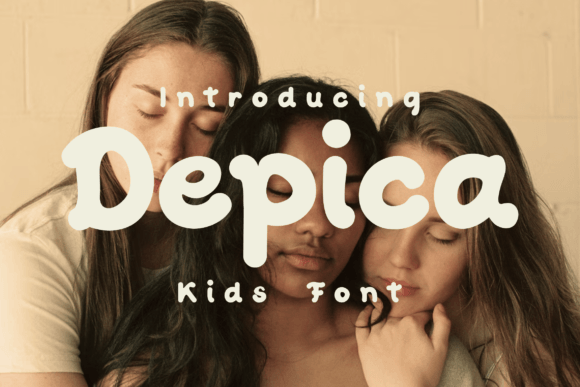
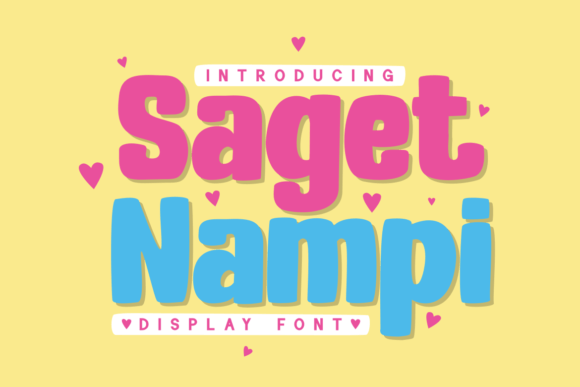
Saget Nampi is a display font that brings a sense of joy and whimsy to any design project. Its chubby, rounded shapes and playful character make it ideal for work that requires a youthful, approachable aesthetic. Whether you're designing a storybook cover, creating content for a kindergarten classroom, or developing marketing materials for children's products, Saget Nampi can elevate your typography with charm and personality.
Understanding how Saget Nampi fits into your workflow involves recognizing its role in the broader design process. From initial concept to final execution, this font can be a valuable tool at multiple stages. It’s not just about choosing a font—it’s about selecting a visual language that aligns with your goals and resonates with your audience.
Integrating Saget Nampi into Your Design Process
Before starting a project, consider how Saget Nampi can help set the tone. If your goal is to create something that feels warm and inviting, this font can serve as a foundation for your visual identity. It works well alongside other playful elements like illustrations, bright colors, and dynamic layouts. By incorporating Saget Nampi early, you establish a consistent style that supports your creative vision.
During the design phase, Saget Nampi can be used to test different typographic combinations. Its readability at larger sizes makes it perfect for headlines, titles, and banners. However, it’s important to remember that this font is best suited for display purposes rather than body text. When using it in a layout, pair it with simpler, more legible fonts for supporting content to maintain balance and clarity.
After completing a project, Saget Nampi can still play a role in quality control and refinement. Reviewing your design with this font in mind helps ensure that the overall look feels cohesive and intentional. It also allows you to evaluate how well the font communicates the desired mood and message to your audience.
Use Cases for Saget Nampi in Different Workflows
For educators and content creators, Saget Nampi can enhance learning materials and digital assets. In a kindergarten setting, it can make worksheets, flashcards, and activity guides more engaging for young learners. Its friendly appearance helps capture attention and encourages interaction, making it an effective tool for educational design.
Entrepreneurs and small business owners can use Saget Nampi to differentiate their brand in a competitive market. Whether launching a children’s product line or designing promotional materials for a family-friendly event, this font adds a unique visual element that stands out. It’s especially useful for logos, social media graphics, and packaging where a fun, approachable image is key.
Marketers and advertisers can leverage Saget Nampi to connect with younger demographics. In campaigns targeting children or families, this font can help create a sense of nostalgia and familiarity. It’s often used in advertisements for toys, books, and entertainment services, where the right typography can significantly influence consumer perception.
Practical Tips for Working with Saget Nampi
When working with Saget Nampi, start by understanding its strengths and limitations. This font excels in large-scale applications where its character can shine, but it may not be suitable for long paragraphs or detailed text. Always test it across different platforms and devices to ensure consistency in appearance and readability.
Consider the context of your project when deciding where to use Saget Nampi. For example, if you’re designing a website with a focus on children’s content, use the font for headings and buttons to reinforce the playful theme. Avoid overusing it in areas where clarity and professionalism are essential, such as legal documents or formal reports.
Collaboration is another key factor in effectively using Saget Nampi. If you’re working with a team, communicate clearly about when and how the font should be applied. This ensures that everyone involved maintains a shared understanding of the design direction and avoids inconsistencies in the final output.
Combining Saget Nampi with Other Design Elements
Saget Nampi works best when paired with complementary design elements. For instance, combining it with hand-drawn illustrations or soft gradients can create a cohesive, whimsical look. These elements reinforce the playful nature of the font and help build a more immersive visual experience.
Color choices also play a significant role in how Saget Nampi is perceived. Bright, pastel tones can enhance its cheerful vibe, while muted or earthy shades may provide a more subtle, sophisticated feel. Experimenting with color schemes allows you to tailor the font’s impact to suit your specific needs and goals.
In addition to visuals, consider how Saget Nampi interacts with other design tools and software. Most modern design platforms support custom fonts, making it easy to integrate Saget Nampi into your workflow. Familiarize yourself with the font’s licensing terms to ensure compliance and avoid any potential issues during implementation.
Long-Term Use and Maintenance
For ongoing projects, maintaining consistency with Saget Nampi is essential. Establish clear guidelines for its usage to ensure that all materials produced under your brand or organization reflect a unified style. This includes specifying where the font should be used, how it should be sized, and what types of content it should accompany.
Regularly review your design assets to check for any outdated or inconsistent applications of Saget Nampi. As your project evolves, you may need to adjust how the font is used to align with new objectives or audience feedback. Staying proactive about these updates helps keep your designs fresh and relevant.
Finally, consider the accessibility implications of using Saget Nampi. While it’s visually appealing, it’s important to ensure that it doesn’t compromise readability for users with visual impairments. Testing your designs with different screen sizes and accessibility tools can help identify and address any potential issues before they become a problem.