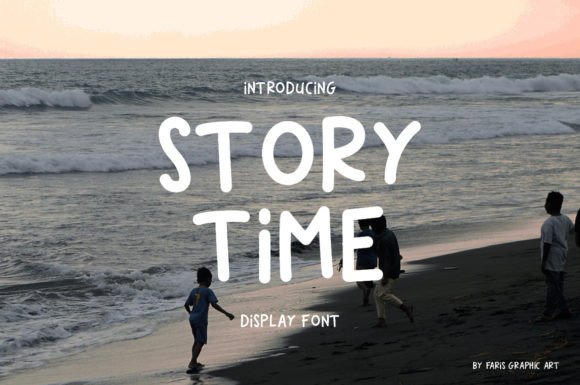
Story Time: A Handwritten Display Font for Creative Expression
In the world of design, typography plays a crucial role in conveying emotion, style, and personality. One font that has gained popularity for its unique charm is Story Time. This natural and cool handwritten display font offers a delightful aesthetic that can elevate any project. Whether you're working on cartoon-related designs, children's games, or simply looking to add a lovely touch to your creative work, Story Time is an amazing choice.
What Is Story Time?
Story Time is a handwritten display font that mimics the casual, organic feel of handwriting. Unlike standard typefaces that are often rigid and uniform, this font features subtle variations in stroke width and letter shapes, giving it a more personal and authentic look. The font is ideal for projects that require a warm, friendly, or playful tone.
Designed with creativity in mind, Story Time is perfect for those who want to add a touch of individuality to their designs. Its natural appearance makes it stand out in a sea of more conventional fonts, making it a go-to option for designers seeking something unique.
Why Use Story Time?
The appeal of Story Time lies in its ability to convey a sense of approachability and warmth. Here are a few reasons why this font is a great choice:
- Unique Aesthetic: The font’s handcrafted look adds a distinctive flair to any design, making it ideal for creative projects that require a personal touch.
- Versatility: Story Time works well across a variety of mediums, from digital graphics to print materials. It can be used in logos, posters, social media content, and more.
- Emotional Connection: The handwritten style evokes a sense of nostalgia and familiarity, which can help build a stronger connection between the audience and the message being conveyed.
Whether you're designing a children's book cover, creating promotional materials for a kids' event, or developing a brand identity, Story Time can bring your vision to life in a way that feels genuine and heartfelt.
Applications of Story Time
One of the most appealing aspects of Story Time is its versatility. This font can be used in a wide range of applications, making it a valuable tool for designers, educators, and creatives alike.
Children's Designs
For parents, educators, and designers working with children, Story Time is an excellent choice. Its playful, handwritten style makes it perfect for books, worksheets, and educational materials aimed at young audiences. The font helps create a welcoming and engaging environment, encouraging children to explore and learn.
Imagine a children's storybook with a title written in Story Time. The font's soft, rounded letters give the impression of a story being told by a friendly character, making the reading experience more enjoyable for kids.
Cartoon and Animation Projects
Story Time also shines in the realm of cartoons and animation. Its informal style complements the whimsical nature of these projects, adding a layer of authenticity that can enhance the overall visual appeal. Whether it's for character names, scene titles, or background text, this font brings a sense of spontaneity and fun to the design.
Consider a cartoon series where the title card uses Story Time. The font’s organic feel aligns perfectly with the animated style, creating a cohesive and visually pleasing presentation.
Branding and Marketing
Businesses and marketers can also benefit from using Story Time in their branding efforts. For brands targeting a younger or more casual audience, this font can help communicate a sense of approachability and creativity. It's particularly effective for businesses in the toy, game, or entertainment industries.
For example, a boutique that sells handmade toys might use Story Time in its logo or packaging. The font's warm, handcrafted look reinforces the brand's commitment to quality and personalization, setting it apart from competitors.
How to Use Story Time Effectively
To get the most out of Story Time, it's important to consider how and where it's used. While the font is versatile, it may not be suitable for every design project. Here are some tips for using it effectively:
- Use It Sparingly: Because of its distinctive style, Story Time works best when used in small doses. Overusing it can make a design look cluttered or unprofessional.
- Pair It With Simpler Fonts: To balance the uniqueness of Story Time, pair it with more traditional fonts for body text or headings. This creates a harmonious visual contrast that enhances readability.
- Test It in Different Contexts: Before finalizing a design, test the font in various sizes and formats to ensure it looks good in all scenarios. This helps maintain consistency and clarity.
By following these guidelines, you can ensure that Story Time enhances your design rather than detracts from it.
Common Misconceptions About Handwritten Fonts
Despite their appeal, handwritten fonts like Story Time are sometimes misunderstood. Some people assume they are difficult to read or unsuitable for professional use. However, this is not always the case.
While handwritten fonts may not be ideal for long blocks of text, they can be highly effective for headlines, logos, and other short-form elements. When used correctly, they can add a unique and memorable quality to a design.
Another common misconception is that these fonts lack professionalism. In reality, many businesses and organizations use handwritten fonts to convey a more personal and authentic image. The key is to use them in the right context and with the right supporting elements.
Conclusion
Story Time is more than just a font—it's a tool for creative expression. Its natural, handwritten style adds a touch of warmth and personality that can elevate any design. Whether you're working on children's projects, cartoon visuals, or branding materials, this font offers a unique and appealing solution.
As the design world continues to evolve, the demand for fonts that stand out and resonate emotionally is growing. Story Time meets this need by offering a fresh, approachable alternative to more conventional typefaces. By understanding its purpose, applications, and best practices, you can harness the power of this font to create designs that truly connect with your audience.