Cold Christmas: A Whimsical Font for Creative Workflows
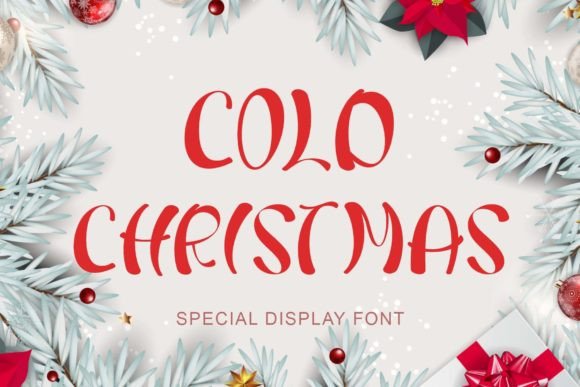
When it comes to design, the right typeface can make all the difference. Cold Christmas is more than just a font—it’s a creative tool that adds personality and charm to any project. This whimsical and quirky display font is ideal for holiday themes, branding, and visual storytelling. Whether you're working on a marketing campaign, a personal project, or a business presentation, Cold Christmas offers a unique aesthetic that stands out.
Understanding how to integrate Cold Christmas into your workflow can enhance your design process and bring a fresh perspective to your work. From initial planning to final execution, this font can be a valuable asset in various stages of your creative journey.
What Is Cold Christmas and How Does It Fit Into Design Processes?
Cold Christmas is a display font designed with a playful and festive vibe. Its irregular shapes and soft curves give it a friendly and approachable feel, making it perfect for projects that require a touch of warmth and character. Unlike standard fonts, which often prioritize clarity and uniformity, Cold Christmas embraces a more artistic and expressive style.
This font is particularly useful in scenarios where visual appeal and emotional connection are key. For instance, in marketing materials, social media posts, or seasonal campaigns, Cold Christmas can help convey a sense of joy and celebration. It’s not just about looking good—it’s about creating an experience that resonates with your audience.
When considering how to use Cold Christmas, it’s important to think about the context. Will it be used in a professional setting or a more casual one? How does it complement other design elements? These questions can guide you in making informed decisions about when and where to apply this font.
Using Cold Christmas in Different Workflow Stages
The versatility of Cold Christmas makes it suitable for various stages of a project. Before starting a design, you might use it to brainstorm ideas or sketch out concepts. During the development phase, it can serve as a focal point for visual elements. After the project is complete, it can add a finishing touch that enhances the overall look and feel.
For example, during the planning stage of a holiday campaign, designers might experiment with Cold Christmas to visualize how text will appear in different layouts. This early integration allows for better decision-making and ensures that the font aligns with the overall vision.
In the execution phase, Cold Christmas can be paired with other design tools and assets. Whether you’re using graphic design software, content management systems, or digital publishing platforms, this font can seamlessly fit into your existing workflow. Its compatibility with various formats and applications makes it a practical choice for creators who work across multiple mediums.
Integration With Other Tools and Resources
Cold Christmas works well with other design resources, such as color palettes, image libraries, and layout templates. When combined with complementary elements, it can create a cohesive and visually appealing design. For instance, pairing it with warm colors or festive imagery can reinforce the holiday theme and elevate the overall impact.
Designers often rely on collaboration tools and project management platforms to streamline their work. Cold Christmas can be included in shared design files, allowing team members to access and use the font consistently. This ensures that everyone is on the same page and maintains a unified visual identity throughout the project.
Additionally, integrating Cold Christmas into your design system can improve efficiency. By defining its usage rules and guidelines, you can ensure that it’s applied appropriately across different projects and platforms. This level of organization helps maintain quality control and consistency, which are essential for professional-grade work.
Practical Tips for Implementing Cold Christmas
To get the most out of Cold Christmas, consider the following tips:
- Experiment with spacing and sizing: Adjust the font size and letter spacing to achieve the desired visual effect. Larger sizes can make a strong statement, while smaller sizes may be better suited for subtle accents.
- Pair it with contrasting fonts: Use Cold Christmas alongside more traditional fonts to create balance and contrast. This combination can draw attention to key elements while maintaining readability.
- Test it in different contexts: Preview how the font looks in various environments, such as print, web, and mobile. This helps identify any potential issues and ensures that it performs well across all platforms.
- Use it selectively: While Cold Christmas is eye-catching, it should be used strategically. Overusing it can diminish its impact and make your design feel cluttered.
By following these guidelines, you can incorporate Cold Christmas into your workflow in a way that enhances your designs without overwhelming them.
Long-Term Use and Maintenance
As with any design element, the long-term use of Cold Christmas requires careful consideration. Regularly reviewing how it’s applied can help ensure that it remains relevant and effective. If your design needs evolve, you may need to adjust how you use the font or explore alternative options.
Maintaining consistency is also crucial. If you’re using Cold Christmas in multiple projects, establishing clear guidelines can prevent inconsistencies and maintain a cohesive brand identity. This is especially important for businesses that rely on visual branding to build recognition and trust.
Finally, staying up-to-date with design trends and best practices can help you make the most of Cold Christmas. As new tools and techniques emerge, you may find new ways to leverage this font and keep your work fresh and engaging.