Stand Rock: A Versatile Brush Font for Professional and Creative Workflows
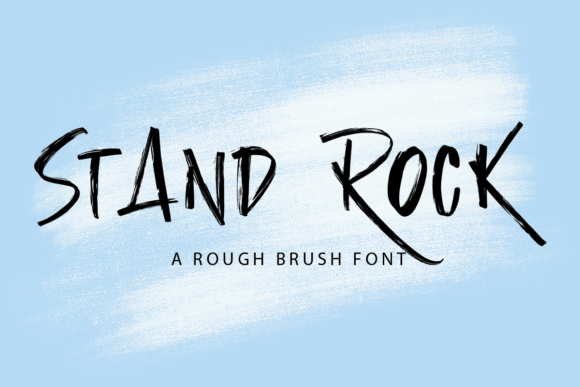
Stand Rock is a distinctive brush display font designed for professionals and creatives who need a bold, expressive typeface that stands out in various applications. With its rough, hand-drawn aesthetic, this font adds a unique visual flair to branding, banners, posters, and more. Its PUA encoding ensures easy access to all glyphs and swashes, making it a practical choice for designers looking to enhance their typography without technical barriers.
Whether you're working on a marketing campaign, a design project, or a personal creative endeavor, Stand Rock offers flexibility and style. Its natural, organic look can complement both modern and traditional designs, providing a balance between professionalism and artistic expression.
Understanding Stand Rock in the Broader Design Process
In the context of design workflows, Stand Rock serves as a key element in the visual identity and presentation phase. It fits into the broader process of planning, execution, and delivery, particularly when the goal is to create a strong visual impact. From initial concept development to final output, this font can be used at multiple stages to add character and consistency to your work.
Before starting a project, designers often consider the tone and message they want to convey. Stand Rock’s rough, brush-like texture can help establish a specific mood—whether it's energetic, casual, or artisanal. During the execution phase, it can be applied to headlines, logos, or decorative elements to enhance the overall composition. After the project is complete, it can be used for promotional materials, ensuring a cohesive look across different platforms.
Integrating Stand Rock into Your Workflow
Stand Rock is not just a font; it's a tool that integrates seamlessly into various design processes. For instance, in branding, it can be used to create a signature look that reflects the personality of a business. In web design, it can be applied to headings or call-to-action buttons to draw attention and reinforce brand identity.
When working with other design tools, such as Adobe Photoshop, Illustrator, or Figma, Stand Rock can be easily imported and customized. Its PUA encoding allows users to access all the available glyphs, including alternate characters and swashes, without needing additional software. This makes it ideal for projects that require a high level of typographic detail and variation.
Practical Use Cases for Stand Rock
- Branding: Stand Rock can be used for logos, business cards, and packaging to create a memorable visual identity.
- Banners and Posters: Its bold strokes make it suitable for eye-catching displays in both digital and print formats.
- Typography Projects: Designers can use it to create custom text layouts, quotes, or social media graphics.
- T-Shirts and Merchandise: The font’s rough texture adds a handmade feel, making it popular for apparel and promotional items.
- Lettering and Illustration: Stand Rock can be combined with illustrations to create dynamic, expressive visuals.
Preparing for Effective Use of Stand Rock
To get the most out of Stand Rock, it's important to plan how and where it will be used. Before incorporating it into a design, consider the context and audience. For example, a professional business might benefit from a more refined version of the font, while a creative or artistic project could take advantage of its raw, unpolished look.
Compatibility is another factor to consider. Ensure that the font works well with other elements in your design, such as colors, images, and layout structures. Testing the font in different sizes and weights can help determine its effectiveness in various applications.
Implementation Tips for Stand Rock
When using Stand Rock in your workflow, start by selecting the right size and weight for your project. Larger sizes are better for headlines and titles, while smaller sizes may be more appropriate for body text or captions. Experiment with spacing and alignment to achieve a balanced and readable composition.
For a more polished look, pair Stand Rock with complementary fonts. For example, combine it with a clean sans-serif font for contrast and clarity. This approach helps maintain visual hierarchy and ensures that the message remains clear and impactful.
Long-Term Use and Maintenance
Once integrated into your design process, Stand Rock can be a reliable asset for long-term projects. Regularly review its performance in different contexts to ensure it continues to meet your needs. As trends evolve, you may find new ways to use the font creatively while maintaining consistency in your work.
Maintaining a library of fonts, including Stand Rock, can also improve efficiency. Organize your font collection so that you can quickly access and apply the right typeface for each task. This practice saves time and reduces the risk of inconsistencies across different projects.
Conclusion: Stand Rock as a Practical Design Tool
Stand Rock is more than just a stylish font—it's a versatile tool that enhances the visual quality of a wide range of design projects. By understanding its strengths and integrating it thoughtfully into your workflow, you can leverage its unique characteristics to create compelling, professional results.
Whether you're working on a small personal project or a large-scale business initiative, Stand Rock offers the flexibility and creativity needed to stand out in today's competitive design landscape. With proper planning, implementation, and maintenance, it can become an essential part of your design toolkit.