Baby Groovy: A Retro Handwritten Font for Creative Workflows
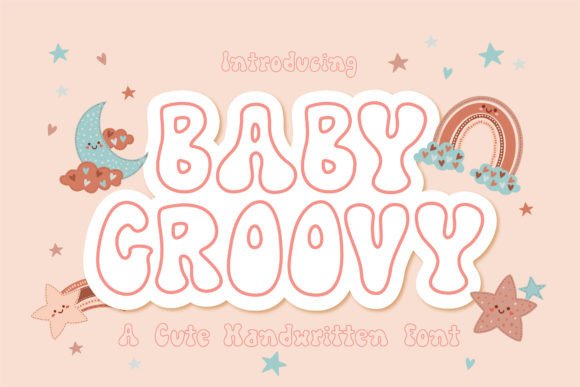
Baby Groovy is a retro handwritten display font that brings a whimsical, organic feel to any design project. Its natural and unique style makes it ideal for a wide range of creative applications, from branding and marketing to personal projects and digital content creation. This font is more than just a stylistic choice—it's a tool that can enhance your workflow and add personality to your designs.
Whether you're working on a logo, social media graphic, or a custom illustration, Baby Groovy offers a fresh alternative to standard typefaces. Its irregular strokes and playful curves give it a handcrafted look that stands out in a sea of uniform digital fonts. This makes it particularly useful for projects that aim to convey warmth, creativity, or nostalgia.
Integrating Baby Groovy into Your Workflow
Understanding how to integrate Baby Groovy into your creative process can help you make the most of its unique characteristics. Before starting a project, consider how this font might complement your overall design direction. For example, if you're creating a children's book cover or a vintage-themed poster, Baby Groovy could be an excellent fit.
During the execution phase, use Baby Groovy to add visual interest to headings, titles, or key phrases. Its readability may vary depending on the size and context, so it's important to test different applications before finalizing your design. Pairing it with more structured fonts can create a balanced composition that highlights its charm without overwhelming the viewer.
After completing a project, review how Baby Groovy contributes to the overall message and aesthetic. Does it reinforce the intended tone? Is it consistent with other design elements? These questions can help you refine your approach and ensure that the font serves its purpose effectively.
Using Baby Groovy in Different Contexts
Baby Groovy is versatile enough to work in various design scenarios. For instance, in marketing materials, it can be used to create eye-catching headlines that stand out on banners, posters, or email campaigns. Its informal yet elegant appearance makes it suitable for brands that want to appear approachable and creative.
In educational or instructional content, Baby Groovy can add a friendly tone to titles or captions. It works well in infographics, presentations, or printable resources where a more personal touch is desired. However, it's important to maintain legibility, especially in smaller text sizes or when paired with dense content.
For personal projects, such as DIY crafts, greeting cards, or social media posts, Baby Groovy can bring a handmade quality that resonates with audiences looking for authenticity. Its use in these contexts often depends on the desired outcome and the audience's expectations.
Compatibility and Practical Considerations
When using Baby Groovy, consider its compatibility with other design tools and platforms. Most modern design software, including Adobe Illustrator, Photoshop, and Canva, supports custom fonts, making it easy to incorporate Baby Groovy into your workflow. However, always check font licensing to ensure it's suitable for your intended use, especially if you're working on commercial projects.
Usability is another factor to keep in mind. While Baby Groovy adds character, it may not be the best choice for body text due to its stylized nature. Instead, use it strategically for headings, logos, or decorative elements where its uniqueness can shine without compromising readability.
Organization and consistency are also key. If you're using Baby Groovy alongside other fonts, establish a clear hierarchy to avoid visual clutter. This helps maintain a professional look while still allowing the font to stand out where needed.
Workflow Examples and Implementation Tips
One practical way to use Baby Groovy is in a branding project. Suppose you're designing a logo for a boutique or a small business. Start by sketching out ideas that reflect the brand's identity. Then, experiment with Baby Groovy to see how it enhances the visual appeal of the logo. Test different sizes and placements to find the most effective configuration.
Another example is in social media content creation. When designing a post for Instagram or Pinterest, use Baby Groovy for the headline or caption to draw attention. Combine it with a clean, sans-serif font for the body text to create contrast and balance. This approach ensures that the message is clear while maintaining a visually engaging layout.
For a learning activity, such as creating a printable worksheet or flashcards, Baby Groovy can add a fun and engaging element. Use it for titles or instructions to make the content more inviting. Keep the rest of the text simple and readable to support the learning objective.
Long-Term Use and Quality Control
When planning to use Baby Groovy over the long term, consider how it will fit into your ongoing design processes. If you're building a brand identity or maintaining a portfolio, consistency is crucial. Establish guidelines for when and how to use the font to ensure it remains a cohesive part of your visual language.
Quality control is also important. Regularly review your work to ensure that Baby Groovy is being used appropriately and effectively. Check for issues such as inconsistent spacing, overlapping elements, or readability problems. These adjustments can help maintain a high standard of design across all your projects.
Finally, stay open to feedback. Whether you're sharing your work with clients, colleagues, or an online audience, their input can provide valuable insights into how Baby Groovy is perceived. Use this feedback to refine your approach and continue improving your design outcomes.