God Save the Queen: A Timeless Font for Modern Design
God Save the Queen is more than just a font—it's a powerful visual element that can elevate any design project. Originally rooted in British tradition, this font has evolved into a versatile tool used across a wide range of creative and commercial applications. Whether you're designing a logo, crafting a headline, or developing a brand identity, God Save the Queen offers a unique blend of elegance and strength that resonates with both historical significance and contemporary aesthetics.
Understanding God Save the Queen
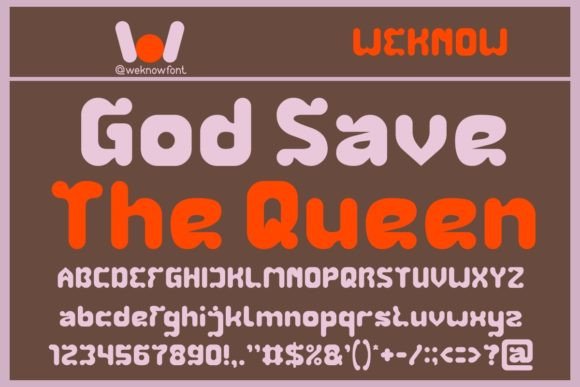
God Save the Queen is a fancy display font characterized by its ornate details, strong letterforms, and regal appearance. It draws inspiration from traditional typography styles used in official documents, royal decrees, and ceremonial texts. This font is ideal for situations where a sense of formality, prestige, or historical context is essential.
Unlike standard sans-serif or serif fonts, God Save the Queen carries a distinct personality. Its intricate strokes and decorative elements make it stand out in visual compositions. However, this also means it should be used strategically to avoid overwhelming the design. When applied correctly, it can add a touch of sophistication and authenticity to any project.
Where God Save the Queen Fits in the Design Process
Integrating God Save the Queen into your workflow requires careful consideration of timing, purpose, and context. It can be used at various stages of a project, from initial concept development to final execution. Here’s how it can fit into different phases:
Before a Project
During the planning stage, God Save the Queen can help define the tone and direction of a project. For example, if you're creating a branding package for a luxury product, using this font in mood boards or style guides can communicate the desired aesthetic to stakeholders. It serves as a visual anchor that aligns with the brand's identity and messaging.
This font is also useful when brainstorming ideas for logos or headlines. Its bold presence can inspire creativity and guide the selection of other design elements that complement its style.
During a Project
As you move into the execution phase, God Save the Queen can be incorporated into mockups, prototypes, and drafts. It works well in conjunction with other fonts, especially when paired with simpler typefaces to create contrast and balance. For instance, using God Save the Queen for a headline while pairing it with a clean sans-serif for body text can enhance readability without sacrificing visual impact.
It’s also valuable when designing for specific industries such as entertainment, fashion, or publishing. In film titles, music album covers, or magazine layouts, this font can convey a sense of grandeur and storytelling that aligns with the content.
After a Project
Even after a project is complete, God Save the Queen can play a role in quality control and long-term use. Ensuring that the font is used consistently across all materials helps maintain brand integrity. It can also be revisited for future updates or rebranding efforts, providing a familiar yet distinctive look that reinforces brand recognition.
Additionally, when preparing assets for print or digital distribution, checking compatibility with different platforms and devices is essential. God Save the Queen may require specific licensing or formatting to ensure it displays correctly across all mediums.
How God Save the Queen Interacts with Other Tools and Resources
God Save the Queen is often used alongside other design tools and resources. For example, graphic designers may pair it with Adobe Creative Suite, Figma, or Canva to create visually compelling layouts. These platforms offer features that allow for precise adjustments, ensuring the font integrates seamlessly into the overall design.
When working with teams, it’s important to communicate the intended use of God Save the Queen. Providing style guides or font specifications ensures that everyone involved understands how and when to apply it. This promotes consistency and avoids misinterpretation of the design intent.
Furthermore, God Save the Queen can complement other visual elements such as illustrations, icons, and color schemes. By aligning these components, you create a cohesive and professional look that enhances the overall user experience.
Practical Implementation Tips
To get the most out of God Save the Queen, consider the following practical tips:
- Use it selectively: Avoid overusing this font in large blocks of text. Instead, reserve it for headings, logos, or key visual elements where its impact will be most effective.
- Test readability: Ensure that the font remains legible at different sizes and on various devices. Adjust spacing and line height as needed to maintain clarity.
- Pair it wisely: Combine God Save the Queen with complementary fonts to create a balanced and harmonious design. Consider contrast, weight, and style when making these choices.
- Check licensing: Verify that you have the appropriate license for commercial use, especially if you’re working on a project for a client or business.
- Experiment with variations: Explore different weights, styles, or customizations to find the version that best suits your needs.
Workflow Examples and Use Cases
Here are a few real-world scenarios where God Save the Queen can be effectively applied:
- Logo Design: A small business owner looking to create a unique brand identity might choose God Save the Queen for their logo. The font’s regal appearance can convey trust, professionalism, and timelessness, which are essential for building a strong brand image.
- Event Promotions: For a cultural event or historical exhibition, using God Save the Queen in promotional materials can reinforce the theme and attract the target audience. It adds a sense of authenticity and class to posters, flyers, and digital ads.
- Content Creation: A blogger or content creator might use this font for headlines in articles, social media posts, or YouTube thumbnails. Its visual appeal can capture attention and encourage engagement, making it an effective tool for content marketing.
- Product Packaging: A designer working on packaging for a premium product could incorporate God Save the Queen to enhance the perceived value. The font’s elegant style can make the product stand out on shelves and resonate with discerning customers.
Long-Term Use and Maintenance
When considering the long-term use of God Save the Queen, it’s important to plan for updates, revisions, and maintenance. As trends evolve, you may need to revisit how the font is used in your designs. Staying informed about typographic developments can help you adapt while maintaining the font’s core strengths.
Additionally, keeping track of font files and licenses is crucial. Organizing your design assets ensures that you can access and reuse God Save the Queen efficiently. This is especially important for businesses that rely on consistent branding across multiple platforms and campaigns.
Finally, always prioritize quality control. Regularly review your designs to ensure that God Save the Queen continues to meet your standards and expectations. This proactive approach helps maintain the integrity of your work and supports long-term success.